

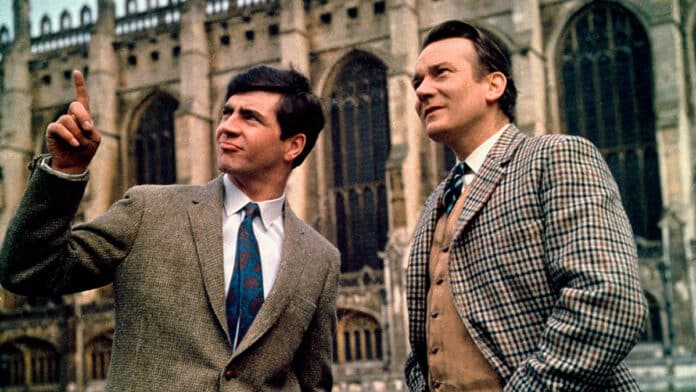

‘Nothing but the Best' is an offbeat black comedy from British New Wave director Clive Donner. It hit cinemas in 1964 when the James Bond movies had taken off and the Beatles were at their peak. It stars Alan Bates (‘The Go-Between', ‘Far From the Madding Crowd') as a ruthlessly ambitious young businessman who is determined to make it to the top – whatever it takes.
James Brewster (Bates) meets the upper class but down and out drunkard Charlie Prince (Denholm Elliot – ‘A Room With a View', ‘Indiana Jones') and asks him to teach him how to be an arrogant and effortlessly entitled member of high society in return for copious amounts of alcohol. The deal works splendidly for a time, as Brewster sharpens his elbows to mix in the rarefied atmosphere of the gentry. But Prince makes mistakes, sending Brewster to the wrong parties. Meanwhile, Brewster's confidence grows. He goes from being terrible at squash to wiping the floor with Prince. Soon, he no longer needs his old mentor as it seems the only way is up.
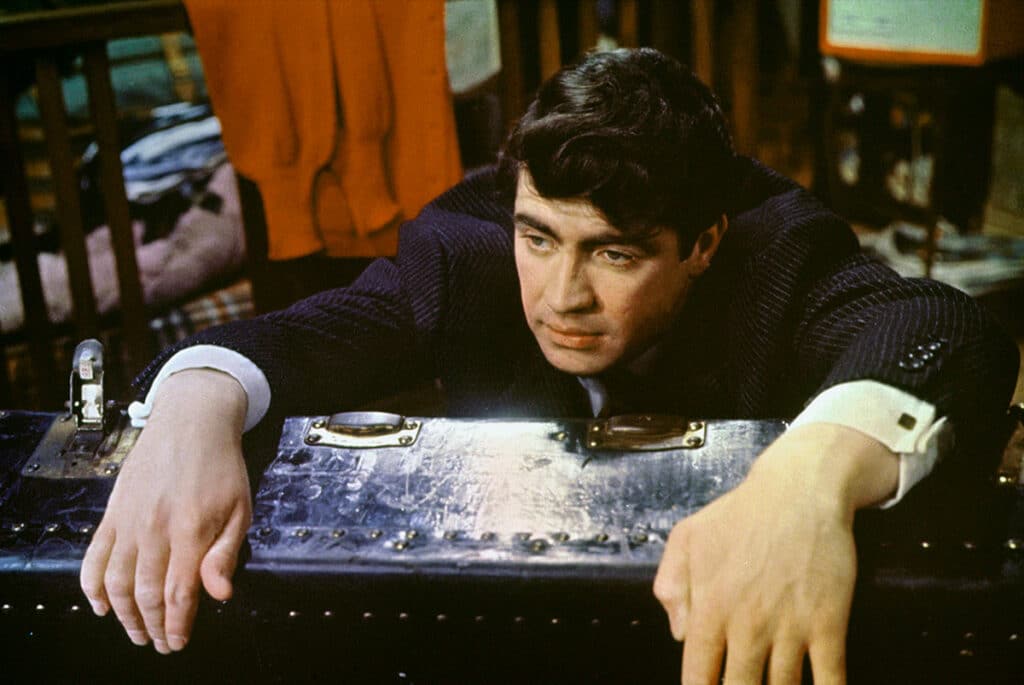
The film relies on the talents of its two main actors. Alan Bates is certainly a dependable leading man, but he's not at his scintillating best here, oddly lacking some of the aggression and dark edges that the character of Brewster needs. Albert Finney could perhaps have made more of the role. Denholm Elliot is as effortlessly genteel and can play failing-with-dignity characters with consummate elegance. There are notably fine performances from Harry Andrews as a hot shot businessman and Millicent Martin (later Daphne's awful mother in ‘Frasier') as a love interest for Brewster.
A few luminaries worked on the film. Nicolas Roeg, later famed for his ingenious films including ‘Don't Look Now', ‘The Man Who Fell to Earth' and ‘Walkabout', oversees the cinematography. Ron Grainer, best-remembered for his theme tunes to cult British TV series such as ‘Doctor Who' and ‘The Prisoner', provides an easy listening score.
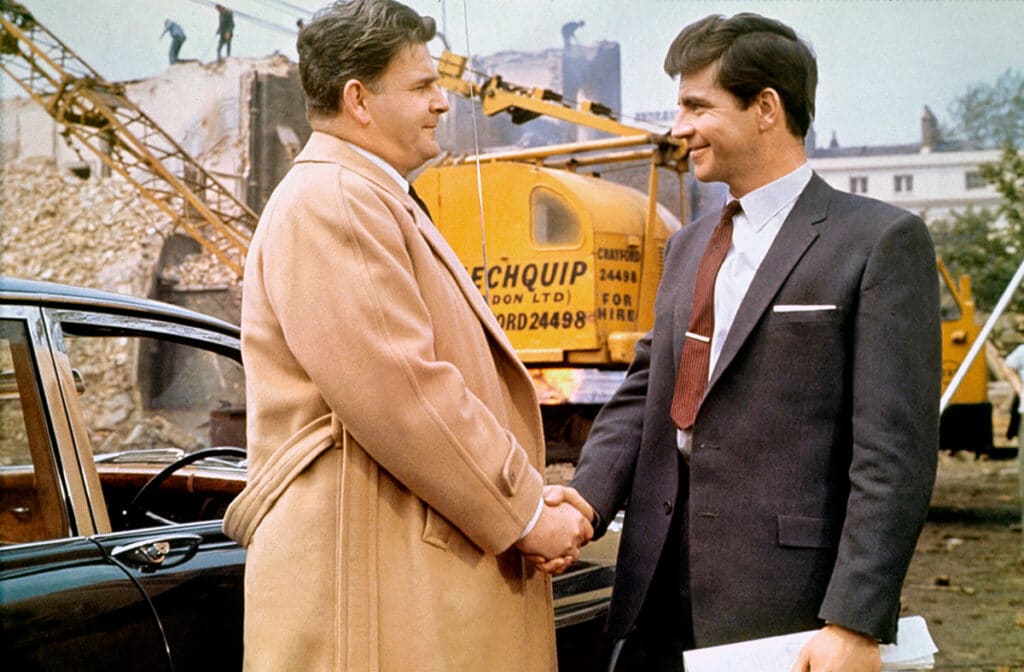
‘Nothing but the Best' makes social commentary about the British class system. It invites audiences to take great delight in watching the working class Jimmy Brewster take on the upper classes and win. The trouble is that it's all rather heavy-handed and now feels anachronistic. There are so few likeable characters, and Brewster lacks any charm or moral scruples, rendering him someone it's hard to root for. Denholm Elliot's Charlie Prince is the most sympathetic character, but he's so weak and self-indulgent you get the impression he won't find a way to redeem himself.
Other films of the same era have covered the subject matter better. The servant becomes the master theme was covered superbly by Joseph Losey in ‘The Servant' a few years earlier. Although the film is dark and sinister, it isn't as unsettling as ‘Twisted Nerve' or many other psychological thrillers of the era. It is funny without ever being laugh-out-loud.
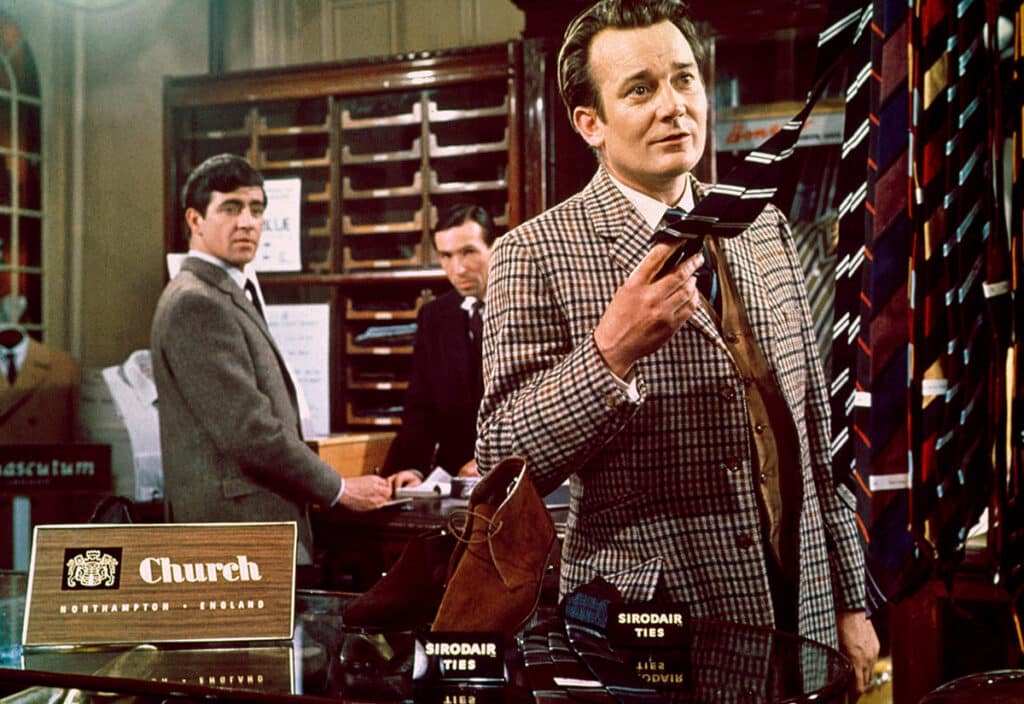
None of which is to say that ‘Nothing but the Best' is a bad film, it just feels unremarkable, and Clive Donner's direction never raises it above the level of a decent black comedy that sometimes hits its target. There is a contemporary interview with the director among the extra features, in which he is interviewed about his work at the University of London. A new extra is ‘The Best of Everything: Interview with Frederic Raphael'. The screenwriter talks about developing the story and the script. It's released as part of Studiocanal's Vintage Classics range.
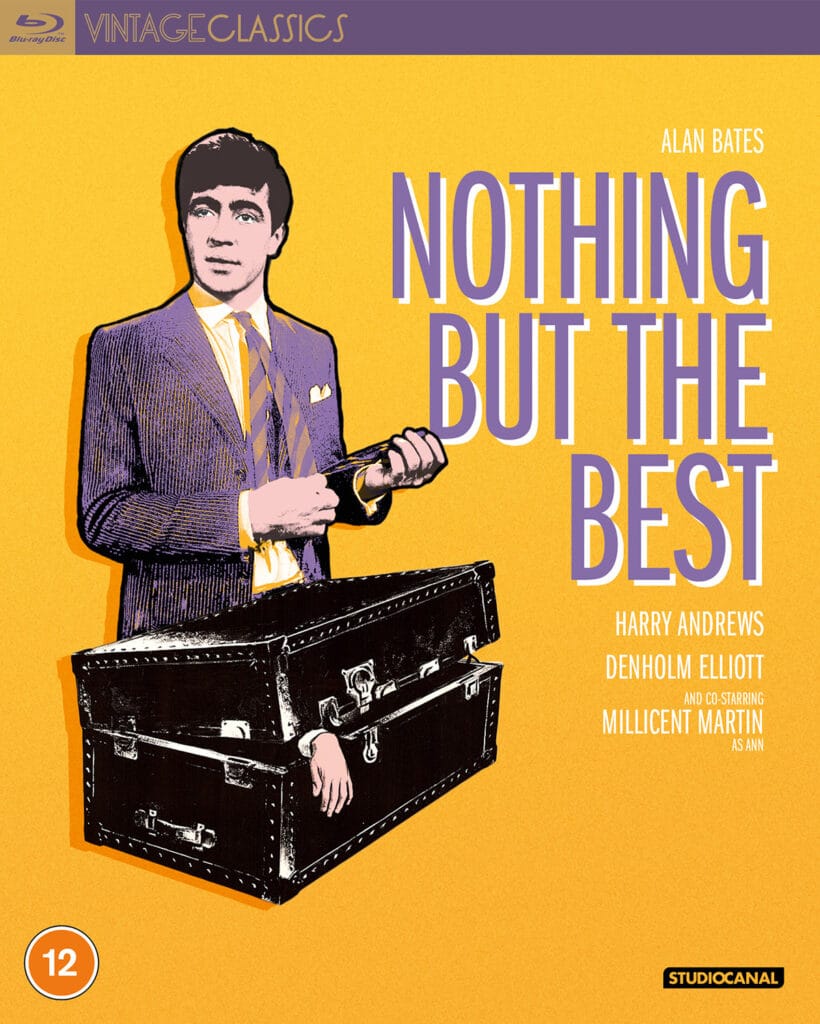
Cast: Alan Bates, Denholm Elliot, Harry Andrews, Millicent Martin Director: Clive Donner Writer: Stanley Ellin, Frederic Raphael Released by: Studiocanal Certificate: 12 Duration: 100 mins Release date: 26th August 2024 Buy ‘Nothing but the Best'

