


Speak to any Country music artist right now and the phrase ‘wild west' will often come up in the conversation. No-one really knows how to game the music industry in the same way that they did in the 70s, 80s and 90s. The way music is released to the public has changed so much that you can drive yourself mad trying to work out what the best way to reach the optimum amount of people is.
Streaming, social media and platforms like TikTok have changed the playing surface of what the music industry was used to. Fans have had to be as flexible and agile as the people in suits (does anyone actually ever wear a suit in the music industry anymore, either?) behind the scenes have had to be too. That word. Algorithm. The dreaded word, for so many artists wondering what the best way to release new music is, has come to dominate thinking and behaviours so much.
The way artists release their long-form projects (I'm even trying to stay away from using the word ‘album' here because the meaning of that has been muddied in recent times too) has changed dramatically in recent times and is evolving on a weekly basis if 2024 is anything to go by. First came the ‘we'll release 2,3,4 songs upfront on an incremental basis' idea. This was done, sometimes over the course of a year meaning that by the time the actual album arrived in your inbox or on the streaming platform of your choice you'd already heard, listened to and potentially moved on from a considerable chunk of the project.
Then came the ‘release a portion of the album in one EP-sized go.' This method was recently employed by Riley Green's team when he released his 7 track EP title ‘Way Out Here' earlier in 2024 before then putting 6 of those 7 tracks on new album, ‘Don't Mind If I Do,' which is coming out this Friday, October 18th. Lots of artists and labels have released albums that way in the last few years.
Fans have also had to get used to the idea that you can stream or buy an album only for a deluxe version with extra tracks on to come out a few months later. That's fine for fans who can just integrate the new songs into whatever Spotify playlist they have running at the time but what about the people who still buy physical media? We all know vinyl sales are booming and last year CD sales were the highest they had been in 20 years. CD sales still outstrip all vinyl sales on a base level to begin with: so what do those buyers do? The deluxe album often only comes out online so for people who refuse to pay Apple or Spotify their monthly tithe what do they do? Cody Johnson is releasing the deluxe version of his ‘Leather' album with a whole album's worth of new songs on November 1st! You can pre-order the MP3 version on Amazon for £12.99 but there's no physical copy. You can order a physical copy from the USA but anyone who has ever done that will know that the import charges are often 2 or 3 times more than the actual cost of the product itself! Interestingly, you can buy a vinyl copy of ‘Leather Deluxe' from Cody's official website that comes in a leather sleeve for a cool $200 and that's before any shipping charges added on top!
Midland have just announced today a ‘Barely Blue' deluxe edition scheduled for release on Friday. The original album only came out in September and here we are with another version with two extra songs added into it. The vinyl release of the original album is happening on the very same day that the deluxe version is coming out – but the extra songs won't be on the vinyl version!!! I'd love to understand the thinking and reasoning behind this – is everything just based around Spotify numbers and boosting the chances of hitting a playlist or gaming an algorithm now?
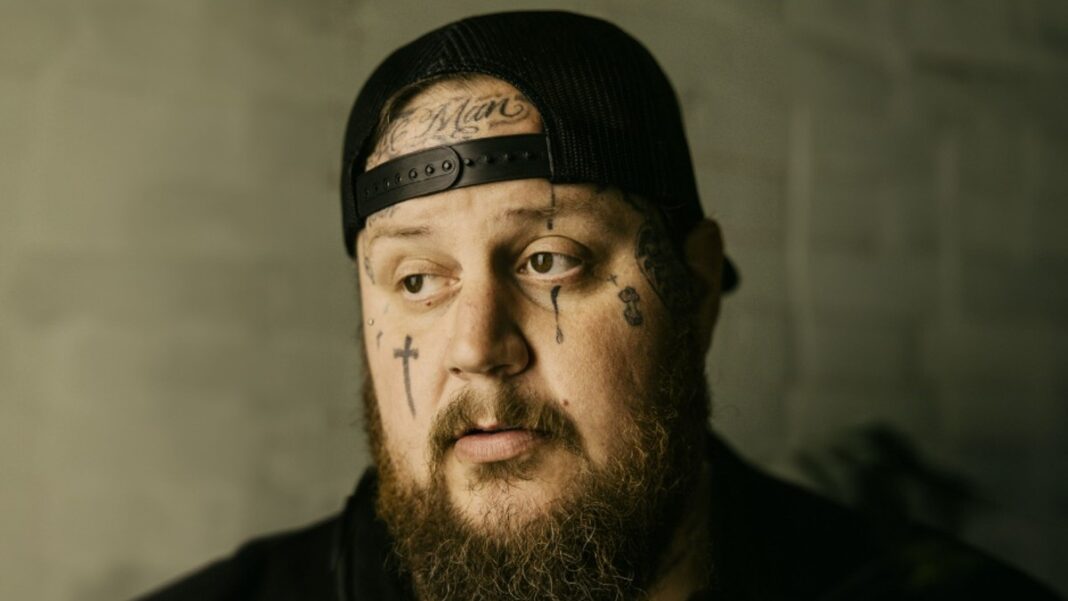
However, a more worrying trend has recently been added into the ‘wild west' release narrative thanks to the teams behind Post Malone and Jelly Roll's new albums. Both of these albums were advertised as being 18 and 14 tracks respectively. I pre-ordered both on vinyl at around the £30 each mark, yes, I am one of those vinyl bores that prefers listening to music the way it was intended to be listened to! (I do, however, also pay for Spotify as well, I mean, come on, I'm not a Luddite!) The afternoon of Post Malone's ‘F-1 Trillion' release saw a further 9 songs added onto the album on Spotify and the name changed to F-1 Trillion: Long Bed.' Similarly, last weekend Jelly Roll's ‘Beautifully Broken' album, came out on Spotify with 8 new songs on it that aren't on any of the physical releases! One day later another 6 songs were added onto a ‘Picking Up the Pieces' edition making the overall release double the size of the album I'd paid £30 to listen to!
What is going on? Who is actually benefitting from this crazy way of releasing music? What a confusing and chaotic practice releasing an album is turning out to be. The first thing I take away from this is that it's not worth pre-ordering a physical product before release day anymore – which seems to me to be a ‘nose-spite-face' scenario for the artists and the labels given they are earning much more money on every CD or vinyl they sell compared to the revenue that streaming brings in! What's the point of buying a 14 track album and spending your hard earned cash when someone down the road listening to Spotify for either nothing or just a monthly subscription can listen to 28 tracks from the same artist?!
I'd love to know what the boffins and market analysts think is the benefit of releasing music in this ‘SURPRISE!' kind of way? It's also confusing for casual fans and, for many labels and artists, that is exactly who they are trying to reach. For any artist to grow their fan base and to increase their revenue streams they have to be constantly looking to expand their monthly followers on the streaming platforms. New fans equal more concert tickets sold, more T shirts bought and more eyes on social media – but if you suddenly discover Post Malone and Jelly Roll and think I'll go and check them out on Spotify – what are you actually going to listen to when there are different versions of each album knocking around? If I discover a new artist and go to Spotify to look but am inundated with content and various different versions of the same album I might just be so confused and intimated and not know where to start that I'll go and just check out the other 300 artists that TikTok pushed my way that morning instead. Similarly, you go to Amazon to buy a CD or vinyl but can only buy a product with half the actual tracks on – would you bother?
Who is benefitting from this way of releasing music? The fans? The easy and lazy answer would just be to say that more music equals happier fans but there's more nuance and variables at play here. This fan of physical products is thinking about stopping pre-ordering vinyl, so no, it's not ALL fans that benefit.
Do the artists benefit? They have to produce more music and give away their intellectual property in a more disposable way under this new practice. Why is Cody Johnson releasing a whole album of new songs under the ‘Leather' banner a year after the original album's release when he could have released a whole new album and reaped the benefits of a new cycle, new branding and a further addition to his catalogue? Jelly Roll's original 14 track ‘Beautifully Broken' album is now 28 tracks – surely he would have preferred to sit on those extra 14 tracks for 18 months and then release a new album? Now, in 18 months time he'll need to have written or sourced a further 25 tracks for his next album. Of course, given Nashville's unique position as a writer's town, it is easier to do that when other people are writing the songs for you, but still, it's an unnecessary pressure and that's even before we get into the disposable nature of songs and music these days, which is a whole other article in itself!
The tin-foil hatted conspiracy theorist in me might think the streaming platforms are paying the record labels to be adding in surprise songs to new releases so as to drive more subscribers their way but can we really believe in a conspiracy between Big Music and Big Headphones? Surely not? So who actually benefits? Let's be honest, and let's be a little cynical here, which is not something I'm prone to in my everyday life, the main beneficiary of the music industry since it's inception and boom in the 1950s has always been the music industry itself. The almighty dollar has always been more powerful than three chords and the truth so whatever crazy way music is being released these days you can guarantee that the main beneficiaries of it will always be the labels and their current ‘more is more' approach to releasing music in 2024. I just can't see how anyone benefits right now but I'm sure someone somewhere is and it's not your average, everyday fan inundated with content, content, content every time Friday release day comes around.

