

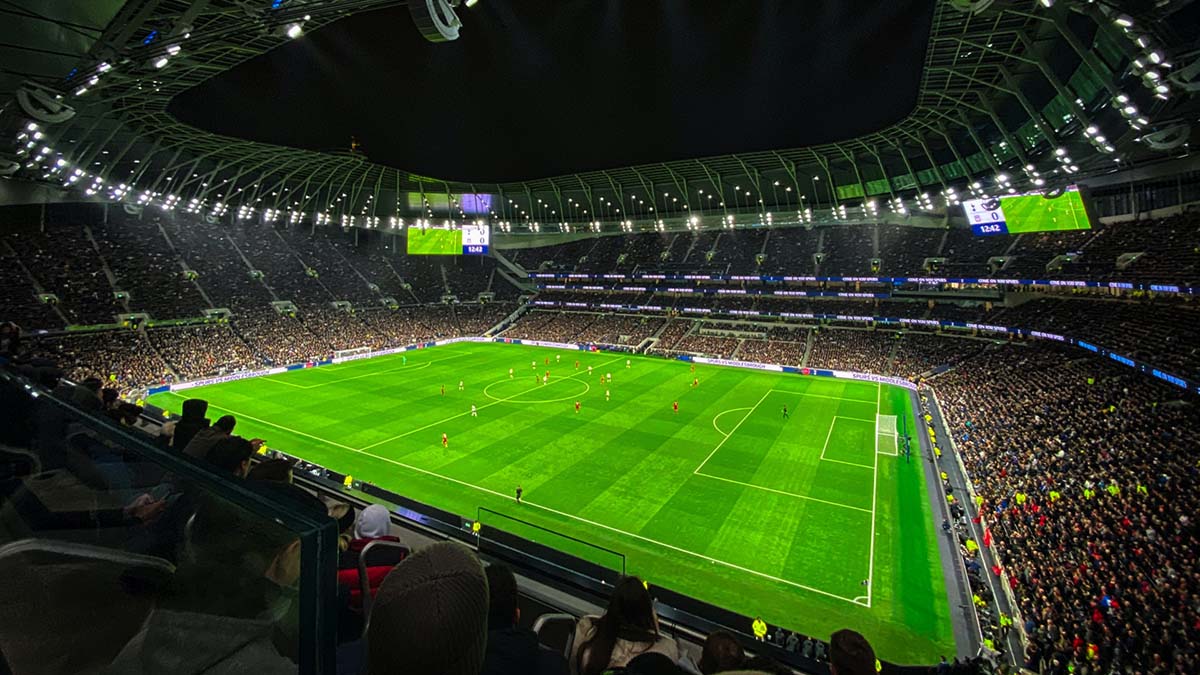

The Premier League has managed to secure itself funding worth £4.5 billion after agreeing to sell their TV rights to a number of huge broadcasting companies for the United Kingdom audience.
As was the same in the 2018 rights package, both Sky Sports and BT Sport will get the lion share of the games that are available, whilst those that are betting on football in the UK will also be able to see a handful of games return to Amazon’s Prime streaming service on occasion.
The BBC will continue to be able to operate their regular Match of the Day programme, as they are the broadcaster that are allowed to show extended highlights of each game that takes place within the Premier League.
How did the deal come about?
Whilst it was always known that the broadcasting rights were up for grabs for the coming seasons after the initial three-year period was to conclude at the end of the current campaign, the way in which the rights were awarded was slightly different this time around.
It is understood that the broadcasting rights were sold in a private sale, rather than a traditional bidding process, and had required the government to agree in principle to an exclusion order under the Competition Act that is in law and that every business and corporation needs to follow.
As mentioned, the rights are largely the same as they were in the previous package, with Sky Sports getting a large number of the fixtures that are played on Saturdays, Sundays, Mondays and Fridays, whilst BT Sport have agreed that they will move from the lunchtime kick-off slot on a Saturday to the late evening position should a team that has been involved in European football that week be scheduled to play in that slot.
Amazon will continue to establish themselves in the UK market as a broadcaster for live Premier League football, and it would not be a surprise if they use these three years to establish themselves further and put them in a position to challenge the main operators for a bigger share in the future.
What does it mean for fans?
There are also thoughts that the traditional 3 o’clock kick-offs on a Saturday afternoon could return to the broadcasting blackout when fans are fully able to return to stadiums and watch matches live from a seat, with plans for that to happen at the beginning of the upcoming campaign.
This means fans may have to return back to having to watch their favourite team’s highlights instead of being able to watch the game live, or perhaps even look for methods that are frowned upon by the Premier League and something that they have continued to work hard to crack on.
This, as well as the number of broadcasters involved, has led to discussions and thoughts suggesting that the market is becoming too fragmented, as football fans are required to fork out extortionate sums of money on different TV networks in order to watch their favourite sides.
If a fan wanted to watch their team play in every single Premier League match of a season, then they will need to spend money on acquiring Sky Sports, BT Sport and Amazon Prime, whilst also having a TV licence to be able to watch highlights on BBC’s Match of the Day.
There is no doubt that football is becoming incredibly costly, but until there is a viable solution, it would seem the Premier League are going to be able to renew their broadcasting rights with a number of different operators for a huge sum of money.

