


When the Country Music Association announced its 2025 award nominees earlier this week, the usual heavy hitters were there. Lainey Wilson continued her winning streak. Megan Moroney, Ella Langley, and Zach Top dominated the headlines as proof of Nashville’s new guard. Morgan Wallen, Cody Johnson and Chris Stapleton added their expected weight to the list.
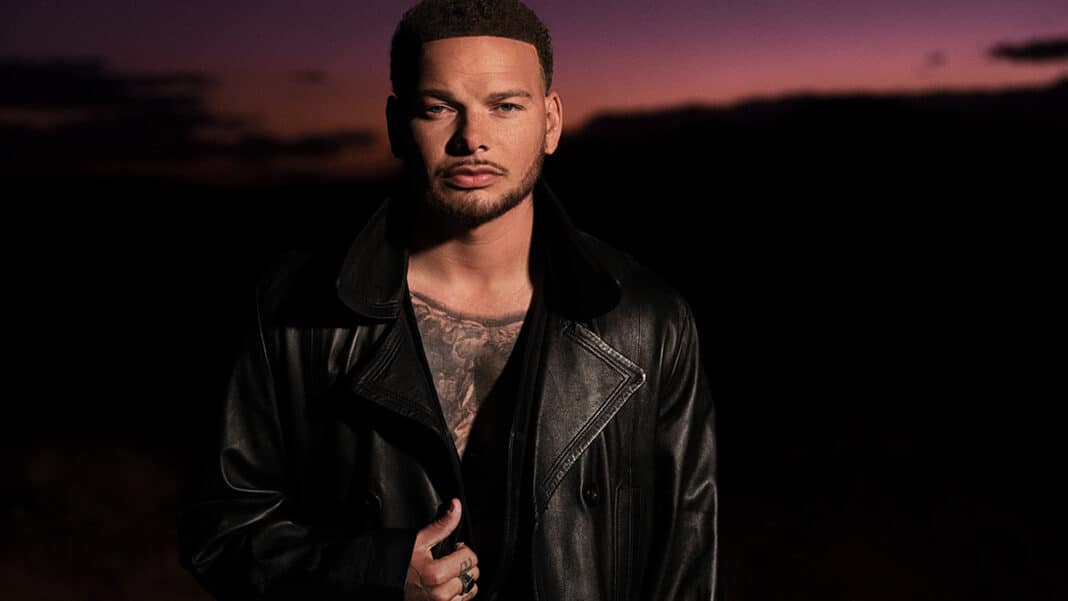
But one name—again—was nowhere to be found: Kane Brown.
Despite selling out arenas, racking up streaming records, dominating on social media and notching multiple radio chart-toppers, Brown’s name was absent across every category. For casual fans, it was a surprising oversight. For those who follow country’s awards politics closely, it was déjà vu.
A History of Near-Total Overlook
Brown’s CMA Awards history is as striking for what’s missing as for what’s there. Since bursting onto the mainstream in 2015, he has earned only four CMA nominations—and all of them were for collaborations, not his solo work.
- In 2021, he scored his first nod with Chris Young for ‘Famous Friends.'
- More recently, his duet with his wife, Katelyn, ‘Thank God,' earned recognition.
That’s it. No Male Vocalist nominations. No Album or Entertainer of the Year. No recognition for his solo hits that dominate country radio.
As CountryNow pointed out in their annual “snubs” rundown, Brown has managed “to become one of the genre’s most consistent hitmakers without the CMA voting body giving him his due.”
A Star Who Checks Every Box
The omission is puzzling when measured against his career trajectory.
- Commercial Powerhouse: Brown’s albums and singles regularly top Billboard’s Country charts, and his tours sell out in minutes. He's just about to embark on an arena tour of the UK – arenas!!! That's global appeal, something the CMA are very keen to foster & encourage.
- Crossover Appeal: He has collaborated with pop, R&B and hip-hop artists, bringing younger and more diverse audiences into country.
- Cultural Impact: As one of country music's few black stars, Brown represents a crucial expansion of the genre’s image and reach.
- Social media dominance. Have you seen Kane's instagram account? It's pure gold. Funny, heartwarming and absolutely the kind of content that the CMA voters should be wanting from their industry stars.
By every external metric—radio, sales, streaming, ticket sales—he belongs in the same conversation as today’s most celebrated names.
Why Do the CMA Voters Keep Passing Him Over?
The reasons behind the repeated snubs aren’t spelled out, but industry observers and critics have floated several explanations.
1. Traditionalist Turn in Voting
This year’s nominations suggest CMA voters are leaning heavily toward artists who embody a more roots-oriented or neo-traditional sound. Zach Top’s rise has been cast as a revival of ’90s-style country. Lainey Wilson and Cody Johnson similarly carry an “authentic” image that voters appear eager to champion. Against that backdrop, Brown’s pop-friendly production may not resonate with voters’ current mood. However that doesn't explain why he has been looked over in previous years.
2. Pop-Country Stigma
Brown’s blend of country, R&B and pop has broadened the genre’s audience. But within CMA voting circles, crossover can be a double-edged sword. Some voters may see his sound as straying too far from what they want country to represent—especially at a time when the CMA seems to be spotlighting tradition.
3. Lingering Skepticism of His Ascent
Years ago, Saving Country Music ran a piece questioning the “fuzzy math” behind Brown’s rapid rise on streaming platforms, implying that algorithms and viral buzz propelled him in ways Nashville’s establishment wasn’t ready to embrace. That early skepticism may still shadow his credibility with some voting members.
4. Narrative Control
Award shows are about more than recognizing success—they’re about shaping narratives. This year’s CMA storylines are clear: fresh faces, women at the forefront, a revival of traditional country, and stability from perennial winners like Stapleton. Kane Brown, who already commands his own audience and doesn’t fit neatly into those categories, may not align with the narrative CMA voters are writing.
Fans and Industry Frustration
The pattern hasn’t gone unnoticed by fans. Social media lit up after the 2025 nominations dropped, with many pointing out that Brown had two of the year’s 40 most-played country songs on radio, yet couldn’t score even a single nod.
Even industry publications flagged it as glaring. Billboard listed him as one of the year’s biggest snubs, alongside LoCash in the vocal duo section.
A Broader Question for Country Music
The CMA snub doesn’t erase Kane Brown’s accomplishments. If anything, it highlights the growing gap between what fans embrace and what Nashville’s most powerful institution chooses to recognise. Obviously the voting is conducted by the 7,000+ members of the association and there are always industry dynamics at play amongst the labels, PR people and radio stations so to blame the CMA as a body for this snub wouldn't be fair.
Awards aren’t the sole measure of an artist’s legacy—Brown’s fanbase, streaming numbers, and crossover power prove that. But awards matter. They shape perception, seal careers in history and reflect who country music claims as its ambassadors. Kane Brown should be held up as a paragon of what Country music wants from one of its ambassadors – a self starter with a strong vision. Someone who lives clean and espouses family values and someone who isn't afraid to look outside the confines of the genre to help stay creative and relative.
If Kane Brown remains on the outside looking in, it raises an uncomfortable question: is the CMA truly representing the breadth of modern country music, or is it narrowing its lens at the expense of one of the genre’s most visible stars? For now, Brown keeps filling arenas, topping charts and redefining what country looks and sounds like. But every CMA season that passes without his name on the ballot makes the disconnect starker.
At some point, the question shifts from “Why hasn’t Kane Brown won a CMA?” to “What does it say about the CMA voting body that he hasn’t?”

