


There has always been grit in Ashley McBryde’s music but on ‘Wild,' that grit hardens into something sharper, louder, and more revealing than anything she’s released before. This isn’t just another strong entry in a stellar catalogue; it’s the sound of an artist arriving at the full weight of her powers. Across 11 tracks, McBryde delivers a masterclass in southern country rock, unflinching honesty and hard-earned redemption.
From the opening moments, ‘Wild' makes its intentions clear. ‘Rattlesnake Preacher' kicks the door down with a dirty, swaggering guitar riff and a sense of southern gothic drama. A longtime fan favourite finally given a studio life, it sets the tone perfectly: loud and steeped in imagery of fire-and-brimstone sermons and humid Alabama nights. “My daddy was a rattlesnake preacher, my daddy was a man of God in South Alabama,” she declares, grounding the album in heritage, religion and rebellion all at once. It’s bombastic and unmistakably McBryde.
That energy barrels straight into ‘Arkansas Mud,' one of the most ferocious tracks she’s ever recorded. Swampy, Stones-like and packed with handclaps and attitude, it leans fully into southern rock excess. References to Lynyrd Skynyrd (particularly ‘The Ballad of Curtis Loew') anchor the track in tradition, while McBryde’s own identity shines through: “a daughter of the hungry south.” It’s a huge, unapologetic statement about place and upbringing.
‘Water in the River' deepens the album’s spiritual thread. Opening again with preacher-and-devil imagery, it wrestles directly with sin and redemption. “Ain’t enough water in the river for the Lord to forgive me” she sings, a line that lands even harder in the context of her real-life sobriety and her ‘Redemption' bar inside Eric Church’s Nashville venue. Musically, it loosens into a hazy, swampy jam, giving the album its first real sense of space without losing its thematic grip. That sense of reckoning continues on ‘Creosote,' a mid-tempo, hypnotic standout built on pounding drums and southern fatalism. “Don’t cry for me when I die… seal it up with creosote,” she sings, confronting mortality with a mix of defiance and acceptance. There’s a sense here that McBryde isn’t asking for salvation anymore, she’s simply telling the truth.
Then comes the first emotional gut punch. ‘Bottle Tells Me So' pivots sharply into stripped-back vulnerability, echoing the quiet devastation of ‘Light On in the Kitchen' from ‘Devil I Know.' This is McBryde facing alcoholism head-on, no metaphors left to hide behind. “From the shape I’m in I must have barely made it to the bed,” she admits, before delivering the crushing line: “The party’s over and, as always, I’m the last one to know.” It’s devastating in its simplicity—a reminder that country music, at its best, still tells the hardest truths better than any other genre. This feels like a legacy song.
‘What If We Don’t' offers another shift in tone, reintroducing a reworked version of a song from her early ‘Jalopies and Expensive Guitars' days. It’s the most overtly commercial moment on the album, a sweeping, radio-ready anthem about risk and immediacy. “I don’t want to overthink it, I gotta kiss you right now,” she sings, before the track erupts into an 80s-tinged guitar solo that wouldn’t feel out of place on a Guns N' Roses record. It’s big, bold and undeniably catchy. That accessibility carries into ‘Lines in the Carpet,' a Fleetwood Mac-leaning slow burn that dissects a toxic marriage with surgical precision. McBryde sketches a quietly tragic domestic scene, “He splits his time between the golf course and gin and tonics on the back porch,” she sings while the wife holds everything together in silence. “She won’t tell him and he ain’t asking” becomes the emotional crux, delivered over shimmering, west coast-inflected production that contrasts beautifully with the darkness of the narrative.
‘Behind Bars' pulls things back again, returning to acoustic storytelling and clever wordplay. Using the double meaning of its title, McBryde crafts a haunting reflection on drinking culture and recovery. “I got friends that ain’t out yet,” she sings, a line that lingers long after the song ends. It’s intimate and deeply affecting—exactly the kind of song that thrives in small rooms and songwriter rounds.
And then, ‘Wild' reaches its defining moment. ‘Hand Me Downs' is the centre piece, not just of this album, but arguably of McBryde’s entire career to date. Every one of her records has that one song (‘Girl Going Nowhere,' ‘Voodoo Doll,' ‘Light On in the Kitchen'), and this is it here. Beginning as a delicate acoustic reflection on a childhood bike passed down through generations, it quickly reveals itself as something much deeper. “there ain’t a damn thing that’s ever just been mine” she sings, connecting inheritance not just to objects, but to flaws and identity. “I’m only made of broken things I can’t stand”—a devastating admission that ties her father’s anger and her mother’s sadness directly into who she has become. Then, in a moment that hits like a shockwave, the song explodes. Drums crash in, electric guitars roar, and what began as a quiet confessional transforms into an arena-sized catharsis. It’s breathtaking, both musically and emotionally, and a reminder of just how powerful McBryde can be when she lets everything go at once.
Title track, ‘Wild,' shifts the palette again. Drawing on a lineage that stretches back to Patsy Cline, it leans into a retro, 60s-inspired sound with a darker, more cinematic edge. “Does the wild call out to you from a distance?” she asks, framing the album’s central question. Here, suburban life becomes suffocating (picket fences likened to razor wire) and the desire for freedom pulses underneath every note. It’s one of the most original songs she’s written, both sonically and thematically.
Closing track ‘Ten to Midnight' brings things full circle with a punchy, melodic reflection on toxic behaviour and self-awareness. “Things are pretty shaky and they have been for a while,” she admits, before delivering the cutting line: “It’s ten to midnight, Cinderella, the good part’s already come and gone.” With hints of harmonica and a driving country-rock backbone, it’s both a warning and a release, ending the album on a note that feels honest rather than resolved yet continues the narrative that started all the way back with ‘Rattlesnake Preacher.'
‘Wild' isn’t just the best album of 2026 so far, it’s a defining statement. Across these 11 tracks, Ashley McBryde weaves together religion, addiction, inheritance, toxic relationships and the relentless pull toward something better. It’s raw, it’s loud, it’s vulnerable and it’s deeply human. This is an artist who has spent a decade honing her voice, and here, she reaches the apex of her storytelling and musicianship. If you can’t find a song on ‘Wild' that moves you, you’re not listening closely enough and if you can’t find one to shout along to, you might not have a pulse.
Come award season, don’t be surprised if ‘Wild' is right at the centre of every Album of the Year conversation.
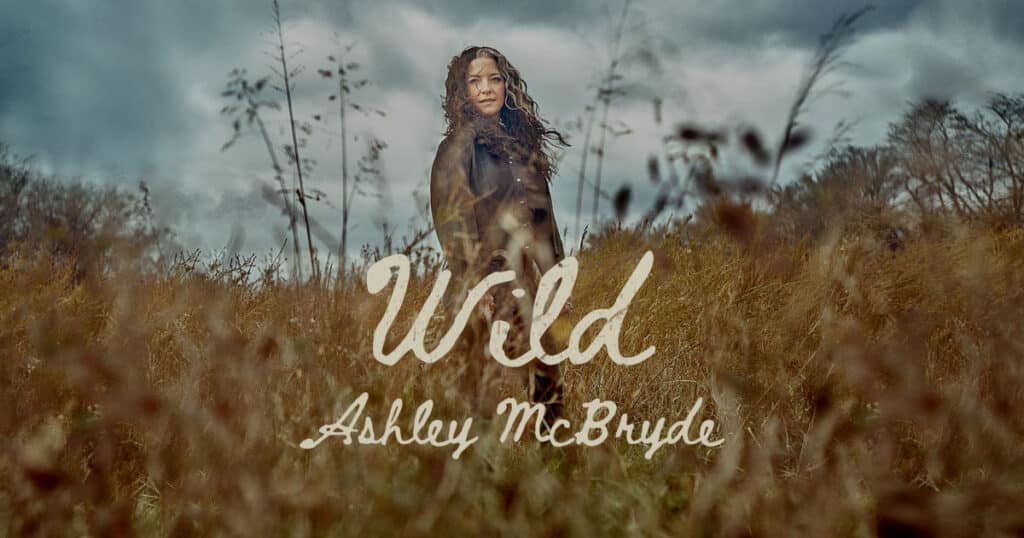
Tracklist: 1. Rattlesnake Preacher 2. Arkansas Mud 3. Water in the River 4. Creosote 5. Bottle Tells Me So 6. What If We Don't 7. Lines in the Carpet 8. Behind Bars 9. Hand Me Downs 10. Wild 11. Ten to Midnight Release Date: 8th May Record Label: Warner Records Nashville Buy ‘Wild' right here.
This article contains an affiliate link. Purchases through this link may result in us earning a commission.

