

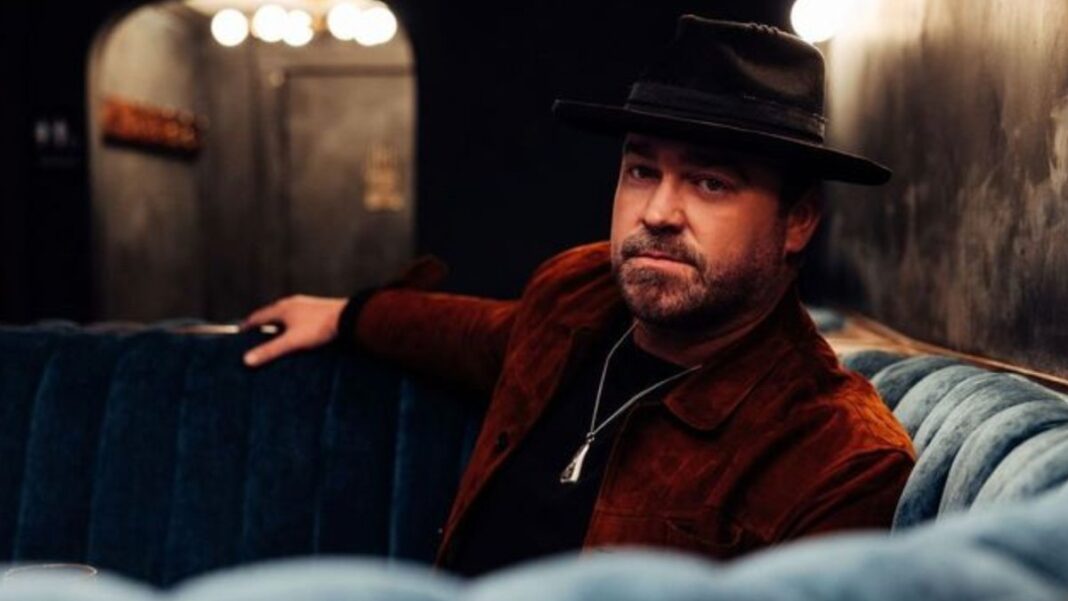

Lee Brice releases new song ‘Country Nowadays' today fresh from its debut at Turning Point’s alternative half time Super Bowl show. It positions itself as a statement about modern cultural identity, but it lands less as a protest and more as a whiny, pandering symbolic declaration. Instead of the character-driven narratives that have historically defined country music, the song leans heavily on broad emotional signals — pride, frustration, nostalgia — without grounding them in any specific lived experiences. That shift makes it feel more like performative commentary rather than craft.
A recurring thread in the song is the contrast between an idealised past and a supposedly misunderstood present. The lyrics suggest ordinary country people simply want to live quietly yet feel judged by outsiders. It’s a familiar rhetorical move in contemporary culture-war songwriting: establish grievance first, detail later — except here the detail rarely arrives. The absence of concrete examples can leave the emotional premise feeling abstract or performative. None of the things Brice sings about in terms of him wanting to cut his grass, drink his beer or catch his fish are under threat right now in 2026. I mean, what is it about our modern cancel culture life that is stopping Lee Brice from feeding his dog? Seriously, in a world that is at its most turbulent state since World War II Brice has the temerity to write a protest song about not being to cut his grass, catch a fish and feed his dog – has anybody notified The Nashville Humane Association about this guy? Their number is (615) 352-1010. Perhaps they can give Brice's poor pup a hearty meal? It’s also patronising to people born in the American south to suggest that that is all there is to aspire to if you hail from that region. The song paints life in the American south in such a one-dimensional, cliched way that it risks damaging people's perceptions as Country music expands across the globe in a such a prolific way.
Patriotism imagery dominates the middle sections. References to flags, faith, military respect and small-town values are stacked in quick succession, evoking emotional recognition rather than painting narrative scenes. Symbolism has always been part of country music, of course, but the genre’s strongest patriotic songs typically anchor those symbols in personal stories. Here, the emphasis is more on signalling allegiance than sharing experience, which some listeners interpret as pandering rather than authenticity. Brice needs to sit down and study the Haggard or Toby Keith way of protesting via Country music if he wants to move beyond this type of lazy, fourth grade nonsense!
Faith and traditional values also feature prominently, framed less as spiritual exploration and more as cultural shorthand. Religion, family and social norms are invoked almost as identity badges — markers of belonging rather than themes explored in depth. That approach can rally a core audience, but it also narrows the emotional palette, especially as country music continues expanding internationally and stylistically.
The chorus reinforces defiance: a declaration that “country” endures regardless of criticism. It’s built to be anthemic, but the trade-off is an utter lack of intelligence or nuance. Country music has historically thrived on contradiction — pride alongside vulnerability, tradition alongside change. Flattening that complexity into nothing but slogans and headlines risks making the genre seem culturally defensive rather than artistically expansive.
And that’s where the uncomfortable comparison arises. To some ears, the piling up of trucks, flags, faith, outrage, and nostalgia starts to resemble satire — specifically Mr. Garrison’s intentionally overblown ‘Where Has My Country Gone?' parody from South Park. That song mocked how easily patriotic symbolism can tip into biting caricature. Whether Brice intended it or not, ‘Country Nowadays' edges close enough to that territory to raise a lingering question: is this a heartfelt anthem, or an accidental self-parody that says more about cultural anxiety than about country music itself? Someone, somewhere please just let Lee Brice cut his grass and save him from what John Stewart is calling the Country ‘Trans Cartel.'

