

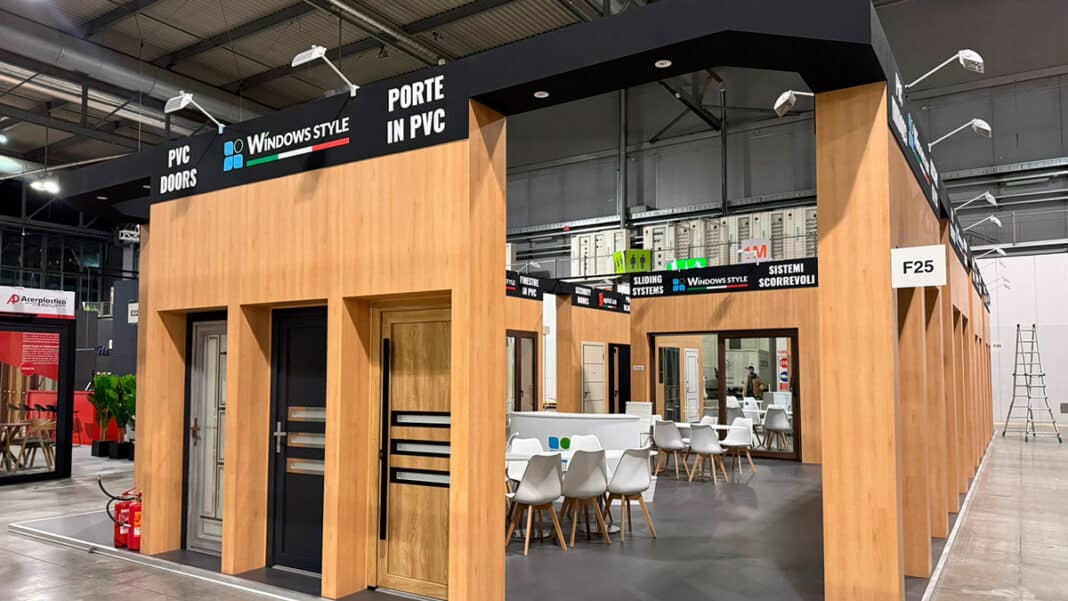

Modern exhibitions are becoming increasingly competitive, and the cost of exhibition space continues to rise. That is why companies are looking for ways to stand out without increasing the space they occupy. One of the most effective solutions is the double deck booth – a stand with a second level, which combines functionality, brand presence, and maximum use of space.
Modern exhibitions are becoming increasingly competitive, and the cost of exhibition space continues to rise. That is why companies are looking for ways to stand out without increasing the space they occupy. One of the most effective solutions is the double deck booth – a stand with a second level, which combines functionality, brand presence, and maximum use of space.
However, the second floor is not a universal solution. Double deck stands make sense only when they align with the brand's goals, the event format, and the expected return on investment.
Why Multi-Level Exhibition Stands Are Gaining Popularity
The growth in popularity of multi-level solutions is directly related to the desire for efficiency. The same footage should be able to perform more tasks. This is where double deck stands become a strategic advantage.
The transition to compact yet functional solutions allows you to divide the space by purpose: an active presentation area below and a more private space above. This approach is especially relevant for international exhibitions, where participant density is very high.
The second level creates a competitive advantage when the brand needs to be visible from afar. A double decker stand creates a vertical accent that works as a landmark in the pavilion and enhances the brand recognition.
Situations Where a Two-Level Layout Truly Makes Sense
Not every company needs a second floor, but there are scenarios where it is almost indispensable.
- Exhibitions with very high visitor traffic.
- Brands with a large number of products or a complex presentation.
Visibility plays a key role at large-scale trade shows. Double decker exhibition stands allow you to rise above the crowd and attract attention even before the visitor comes closer.
The second floor is ideal for private meetings, negotiations, or VIP areas. While the first level works as an open communication platform, the upper floor provides a calm atmosphere for business communication. In addition, a double deck exhibition stand makes it possible to competently place large exhibits, leaving the space logically structured.
Practical Considerations Before Choosing a Second Floor
Before ordering a double deck booth, it is necessary to take into account technical and organizational limitations. Each exhibition center has its own rules regarding maximum height, load, and fire safety.
Structural reliability is a critical factor. Double decker exhibition stands require accurate engineering calculations, certified stairs, guardrails, and compliance with safety standards. It is also important to realistically assess the budget and expected profitability.
The main costs to consider:
- design, engineering, and approval;
- manufacturing, installation, and logistics.
Design Principles That Make a Double-Level Booth Effective
The success of a multi-level solution largely depends on the design. A competent double deck booth design should ensure a clear flow of visitors. The stairs should be logically located and clearly visible; otherwise, the second level may remain empty.
Branding should unite both floors into a single concept. Light, colors, and graphics should work together to create a coherent image. The balance between open areas and raised spaces makes the stand both accessible and prestigious.
Choosing the Right Partner to Build a Multi-Level Stand
Implementing a booth double deck is a complex technical process, so the choice of a contractor is crucial. The company should have real experience in double decker exhibition stand projects, not just a general portfolio.
Pay attention to experience with specific exhibition centers, knowledge of local regulations, and accuracy of execution. In projects of this level, even small mistakes can affect safety or appearance. That is why a professional approach and precision in execution are key to a successful, effective two-story stand.

