

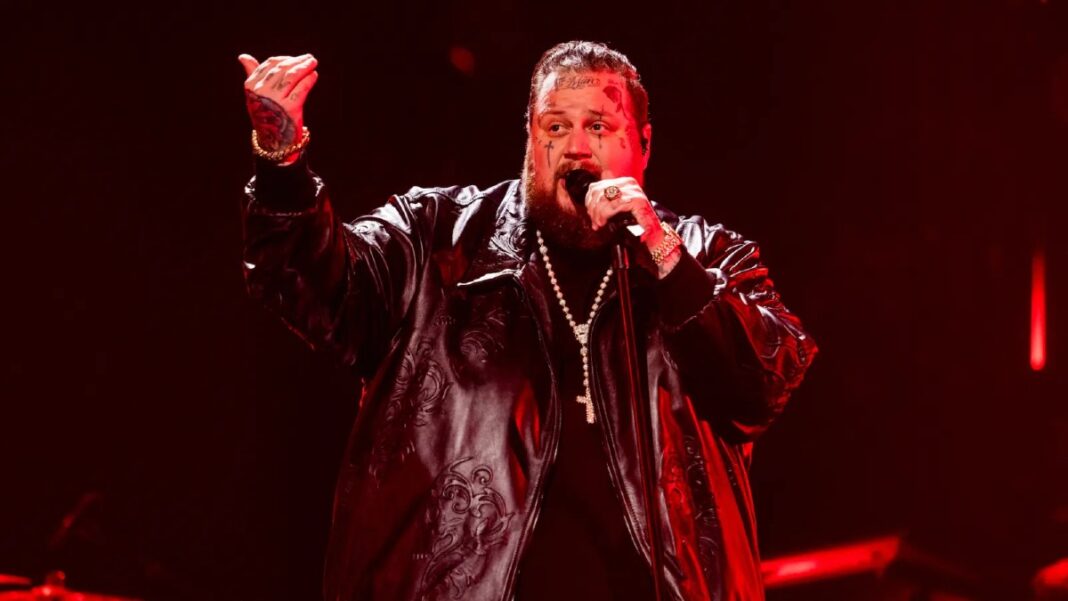

Country music has always been a genre grounded in storytelling — tales of heartbreak, small towns, family pride and blue-collar resilience. But lately, something has shifted. There’s a darker hue in the lyrical palette, a rawness in the vocals, and a newfound honesty in the themes. With artists like Jelly Roll bringing mental health struggles, addiction and redemption into the mainstream of country music, a curious question emerges:
Is country music having its grunge moment?
The Rise of ‘Southern Grunge'
Grunge, the defining musical movement of the early 1990s, wasn’t just about distorted guitars and flannel shirts — it was about angst, alienation and exposing the emotional underbelly of American youth. Bands like Nirvana, Alice in Chains, Soundgarden and Pearl Jam used music to rage against societal expectations, inner demons and personal trauma.
Now, three decades later, country music is starting to sound more like Seattle in 1993 than Nashville in 1983.
Take Jelly Roll, for instance. The heavily tattooed singer-rapper-turned-country-star isn’t the image of a traditional country artist, but his breakout songs like ‘Save Me,' ‘Son of a Sinner' and ‘Need a Favor' tap into the same emotional core grunge once did: self-loathing, inner turmoil and the longing for something redemptive.
“Son of a sinner / Tryin’ to find my way back home,” he sings with a voice soaked in weariness. It’s a line that wouldn’t feel out of place on a Soundgarden or Stone Temple Pilots record.
Country’s New Mood: Broken, Honest, Real
Jelly Roll isn’t alone. A growing cohort of country and Americana artists are shifting away from the polished, party-centric sound that dominated the 2010s. They’re diving headfirst into themes of depression, addiction, trauma and vulnerability.
1. Morgan Wade
Her 2021 debut ‘Reckless' is saturated with confessional songwriting. Wade spends a lot of time reflecting on her youth and struggles with addiction. Her gravelly voice, paired with gritty production, brings an alternative rock flavour to her storytelling. She’s been open about her mental health struggles and sobriety — themes at the heart of grunge authenticity.
2. Zach Bryan
A Navy veteran who rose from YouTube obscurity to major success, Zach Bryan’s stripped-down aesthetic and lyrical focus have drawn comparisons to Bruce Springsteen and Kurt Cobain alike. His massive hit ‘Something in the Orange' is a masterclass in emotional vulnerability, despair, and introspection. His DIY ethos and refusal to conform to the Nashville machine echo the anti-establishment ethos of the grunge pioneers of the 90s.
3. Koe Wetzel
An unapologetic outlaw with a flair for mixing post-grunge, rock and Texas country, Koe Wetzel’s music channels reckless abandon and emotional chaos. Songs like ‘February 28, 2016' and ‘Drunk Driving' showcase deeply personal, flawed narrators who don’t sugarcoat their pain.
4. Hardy
With his genre-blending album ‘the mockingbird & THE CROW,' Michael Hardy directly addresses the duality of country and rock — even titling the record to reflect this tension. The second half of the album veers into heavy rock and metal territory, with songs like ‘Jack' and ‘Kill Sh!t Till I Die' drawing from dark impulses and mental unrest.
5. ERNEST , Warren Zeiders and Sam Barber
Rising acts like ERNEST, Warren Zeiders and Sam Barber further the movement, blending Southern lyricism with modern, soul-searching themes. There’s a noticeable shift from storytelling about others to confessional narratives about oneself — a core characteristic of grunge’s lyrical style. Zeiders even looks like the modern equivalent of Chris Cornell with his luscious locks and almost messianic imagery – all he needs is that over-used 90s colour palette and he might well have been a good shout for a Soundgarden doppelganger.
6. New Releases and tonal shifts
A glut of recent releases hint even further towards this grunge inspired wave that seems to be engulfing Country music right now. Luke Combs' recent collaboration with Jon Bellion on ‘Why?' screams 90s angst and navel-gazing drama that would have appealed to the cardigan wearing Seattle brigade whilst even Old Dominion's new song, ‘Water My Flowers,' finds them in darker, reflective mood. The song opens with the line ‘My soul is as empty as a whiskey glass,' before weaving a tale of loss, heartbreak and that search for meaning that so dominated the grunge scene of the 1990s. Add into that Laci Kaye Booth's recent release ‘George F****** Strait' – it's a discordant, abrasive tune that positions Booth as Country music's version of Courtney Love with it's dreamy, vibes juxtaposed against the biting, searing electric guitars and potty mouthed chorus reminiscent of Hole at their best.
Why Now?
The cultural and social context mirrors the early ’90s in several ways. The economic anxiety, rising mental health awareness, disillusionment with institutions and erosion of the American dream are familiar shadows. In a post-pandemic, socially fractured America, it’s no surprise that music — especially country, which always reacts to the state of the working class — would mirror this darkness. There are riots happening right now in Los Angeles just like there were back in April 1992 when Grunge was just beginning to take hold of the cultural zeitgeist. Nirvana's iconic ‘Nevermind' album had been topping the charts just before the riots although its main competitor for the top spot that year seemed to swing between ‘Ropin the Wind' and ‘The Chase,' both from Garth Brooks!
Today’s country artists are also less confined by genre lines. Rock, hip-hop and alternative influences flow freely in their work. Much like how grunge was a rebellion against glam metal’s artifice, this current wave of country rebels against the bro-country and party anthems of a decade ago.
The Soundtrack of the Struggling Soul
Grunge never fully died; it simply changed clothes and accents. Today’s country stars may wear cowboy boots instead of Doc Martens, but the spirit is hauntingly familiar — introspective, angry, messy and very very human.
Whether or not we officially label this era ‘Southern Grunge' or ‘Alt-Country 2.0,' one thing is clear: mainstream country music is no longer afraid to be sad, broken, or brutally honest. And just like grunge gave a generation permission to feel their pain, today’s country is doing the same — just with a little twang in its step and whiskey in the glasses.

